
The Toyger cat is a captivating breed, created in the 1980s by Judy Sugden to mirror the majestic appearance of wild tigers while promoting tiger conservation awareness. Built from the lineage of Bengal cats and striped shorthaired cats, Toygers are designed to resemble miniature tigers, without actual wild cat genes. Their popularity among cat enthusiasts is reflected by their recognition by The International Cat Association (TICA), achieving full championship status in 2012.
Distinctive Appearance and Physical Traits
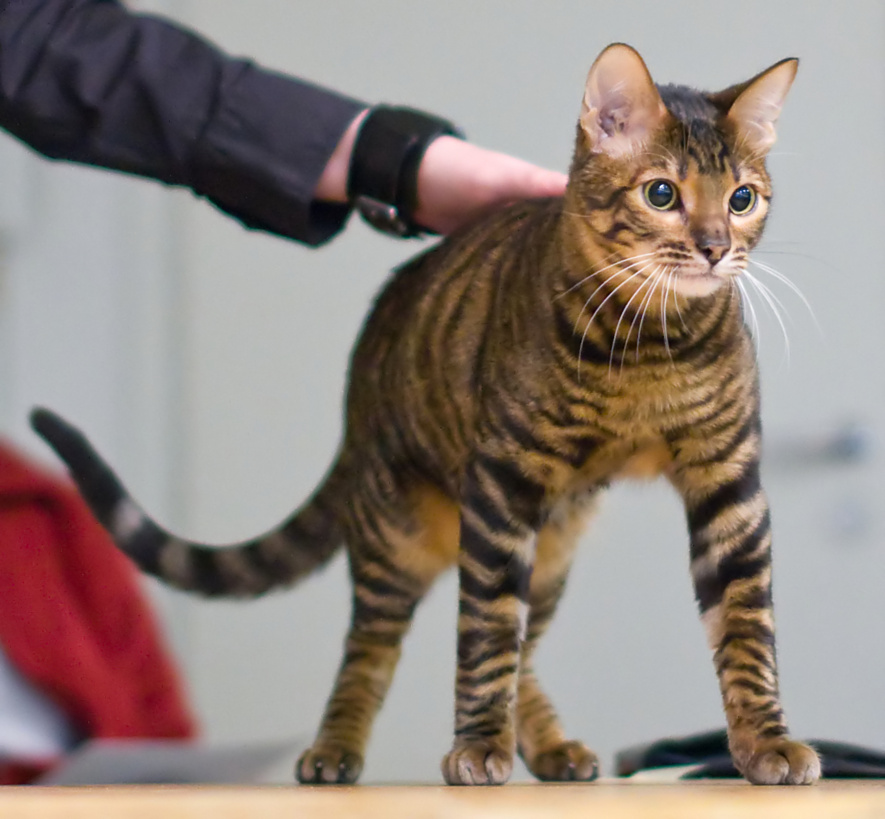
Toygers are medium-sized cats that boast a striking resemblance to tigers, thanks to their long, muscular bodies, high shoulders, and trademark mackerel tabby markings. Their coat is short, dense, and available in colors ranging from reddish-brown to deep orange, overlaid with dark stripes and circular patterns on the head. With strong builds and robust physiques, they weigh around seven to 15 pounds, depending on the gender. Toygers possess big, round-shaped eyes, typically in shades of light hazel to dark brown, and exude a low, confident walking gait.
Health, Care, and Nutrition
Biology & Health
Toygers are generally healthy cats but may have a higher likelihood of experiencing heart murmurs and hypertrophic cardiomyopathy. Selecting a reputable breeder is essential to ensure the health and genetic integrity of Toyger kittens. Regular veterinary checkups and a prudent diet are necessary to maintain their well-being.
Diet and Nutrition
To maintain their sleek physique and prevent obesity, Toygers require a high-quality diet. Their nutrition should be balanced, supporting their active lifestyle and promoting overall health.

Grooming and Maintenance
Toygers have relatively low grooming needs. Despite their striking coat, they require only basic maintenance, which includes regular brushing to reduce shedding and promote coat health.
Personality and Temperament
Toygers are remarkably sociable and engage with children, other pets, and adults with ease. Known for their friendly and outgoing nature, Toygers excel in environments that provide ample intellectual stimulation and social interaction. They quickly learn tricks and thrive in agility competitions, requiring consistent, dependable interaction to form strong bonds with their human companions.

Toygers are known for their vocal nature, expressing their needs through various sounds, whether demanding attention or food. While they enjoy human company, they can tolerate being left alone for short periods. However, they flourish in environments where they receive regular interaction, making them adaptable companions in many household settings.
Adoption and Acquisition
As a rare breed, Toygers command a significant price, often around $1,500, due to their exclusivity and the extensive breeding practices required to maintain the breed's standards. Potential owners should consider purchasing from reputable breeders who prioritize health, beauty, and temperament through meticulous breeding practices. Adoption options are limited, but interested individuals can explore select catteries known for ethical breeding and the health guarantee of their kittens.
| Characteristic | Description |
|---|---|
| Breed Origin | Created in the 1980s to resemble tigers and promote conservation. |
| Recognition | Achieved full championship status with TICA in 2012. |
| Appearance | Medium-sized, tiger-like mackerel tabby markings, and densely coated. |
| Physical Traits | Weighs 7-15 pounds; strong, muscular build; trademark stripes. |
| Health Concerns | Potential heart murmurs and hypertrophic cardiomyopathy. |
| Nutrition | High-quality, balanced diet to support active lifestyle. |
| Grooming | Low maintenance; regular brushing needed. |
| Personality | Sociable, friendly, engages easily with people and pets. |
| Adoption Cost | Around $1,500; limited adoption options. |
Overall, Toygers make loving and adaptable pets, ideal for families and individuals able to dedicate time and attention to them. Their mesmerizing appearance and delightful personalities make them standout companions among domestic cat breeds.