
Ascites is a medical condition characterized by the accumulation of free fluid in the abdominal cavity, leading to a visibly swollen and distended belly. This condition can present with nonspecific signs such as lethargy and can be a serious indicator of underlying health issues.
Causes of Ascites
Ascites in both humans and animals can be attributed to several underlying health problems. The most common causes include liver disease and right-sided heart failure. These conditions inhibit proper blood flow, leading to fluid build-up in the abdomen. Other potential causes in dogs might include kidney issues, internal bleeding, bladder rupture, peritonitis, and cancer.

Heart Disease
Right-sided heart failure can cause ascites due to the heart's inability to effectively pump blood, resulting in an accumulation of fluid in the abdomen.
Liver Disease
Liver issues, such as cirrhosis or chronic liver disease, can obstruct the normal flow of blood, causing fluid to leak into the abdominal cavity.
Other Causes
Other causes of ascites in dogs might include trauma, low protein concentrations, poison ingestion, and nephrotic syndrome, which all disrupt normal fluid balance mechanisms.

Symptoms of Ascites
The symptoms of ascites can vary, depending on the severity and the underlying cause. Common symptoms include:
- Swollen abdomen
- Lethargy
- Difficulty breathing
- Weight gain
- Decreased appetite
- Vomiting
- Discomfort
Diagnosis and Treatment
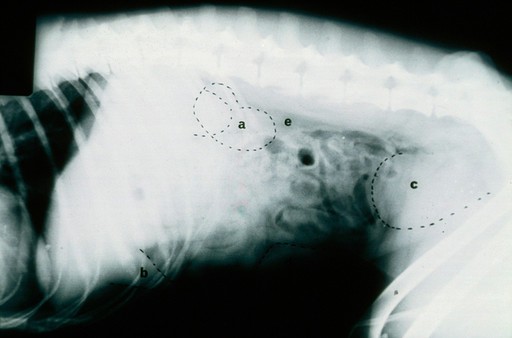
Veterinarians diagnose ascites through a combination of methods including physical examination, abdominal ultrasound, x-rays, and fluid analysis. Blood tests, urine tests, and other imaging techniques can also be utilized to identify the underlying cause.
Treatment Options
Treatment for ascites involves addressing the underlying medical condition causing the fluid buildup. This could involve the use of medications, surgical procedures, and lifestyle changes such as diet adjustments to manage liver or heart disease. Draining the fluid, also known as paracentesis, might provide temporary relief but doesn’t resolve the underlying issue.
Prognosis
The prognosis for patients with ascites hinges on the success of treating the underlying condition. If the root cause can be managed effectively, patients have a better chance for recovery. Without addressing the primary issue, fluid accumulation is likely to recur, and the outlook may be poor.
Common Causes of Ascites
| Cause | Description |
|---|---|
| Heart Disease | Right-sided heart failure leads to an accumulation of fluid in the abdomen due to ineffective blood pumping by the heart. |
| Liver Disease | Cirrhosis or chronic liver disease obstructs normal blood flow, causing fluid to leak into the abdominal cavity. |
| Kidney Issues | Impaired kidney function can lead to fluid retention and buildup in the abdomen. |
| Internal Bleeding | Bleeding within the abdominal cavity can result in fluid accumulation. |
| Bladder Rupture | A ruptured bladder can leak urine into the abdomen, causing fluid build-up. |
| Peritonitis | Inflammation of the abdominal lining can result in fluid accumulation. |
| Cancer | Certain cancers can lead to fluid buildup within the abdominal cavity. |
| Other Causes | Trauma, low protein levels, poison ingestion, and nephrotic syndrome can disrupt fluid balance and cause ascites. |
Important Case Study
A notable case is that of a dog named Ginny who had ascites related to right-sided heart failure. Through timely veterinary intervention, including the use of medications and appropriate dietary changes, Ginny's condition was managed successfully. This highlights the importance of early diagnosis and proper management in improving the quality of life for pets with ascites.
Caring for Dogs with Ascites
Managing ascites in dogs involves regular veterinary check-ups and possibly long-term medical management. Monitoring for signs of discomfort and understanding the treatment options are crucial in ensuring that pets with this condition maintain a good quality of life.
Owners should act promptly if they notice symptoms of ascites in their pets, as early intervention can make a significant difference in treatment outcomes. Regular health check-ups and blood work can help in the early detection of conditions that may lead to ascites, preventing severe fluid buildup and associated complications.